This is a lovely, rich, moist cake that is very economical and easy to do. Like the Sephardic orange cake, it is flour free so good for those with gluten issues.
Basic elements
The look and texture reminds me a little bit of Frangepani, the Italian almond and pear cake.
The Gaelic word in Connemara for Potato's is Fatai (faah-tee) as opposed to thge more common pratai used in Munster and Ulster Irish, hence the name I gave this recipe - fatai-panne. It could easily have been called Henry Hill Cake (from the movie Goodfellas, Half Mick, Half Guinea)
Its an unusual pudding, based on a Minorcan recipe. You don't need the rhubarb in this one but I feel the tartness and flavour really adds to the overall dish, and rhubarb to me is the taste of an Irish spring, far more so than strawberries.
The gang from Garrai Glas really liked this cake.
Ingredients:
500g of floury potato's
120g Sugar
3 eggs, separated with whites stiffly beaten
Zest of 1 lemon
Knob of Cuinneog Butter
200g Rhubarb
If you want a lighter texture you can always add a teaspoon of baking powder.
Boil the spuds in their skins until done, then cool slightly, peel and mash or pass through a processor or food mill.
Preheat the oven to 180 deg C or Gas Mark 4
In a large bowl, work the egg yolks, sugar and lemon zest into the potato, then slowly add the stiff egg whites and sliced rhubarb.
Pour the mixture into a buttered baking dish; I use a fairly shallow one for this recipe.
Then bake for 35-40 minutes or until a cocktail stick can be inserted in the middle of the cake and come out clean.
If desired sprinkle sliced almonds over the cake about 10 minutes before cooking is finished.
Well, the kitchen garden is beginning to run out of food. A few winter cabbage, turnips, leeks, kale, parsnip and beets are about the only staples right now with some Oca ready for harvest.
Already the Aquadulce beans and the japanese winter onions are showing signs of life despite the cold snap.
Its a nasty cold, but not deep. Much to the delight of my resident garden robins I have been turning over the beds to allow the frost to break up the soil and kill off as many pests as possible. All of this under the Robins watchful eyes who swoop down to inspect the uncovered ground for food
Anyway, one recent experiment in a meal was beetroot chips, and it worked out quite well.
I put it together pretty much ad-hoc, just to add colour to a meal of grilled gammon and a Spanish Omelette.
For both the veggies I just use the food processor.
SPANISH OMELETTE
Spanish Omelette is a great standby, it can be eaten hot or cold. With eggs from the neighbours chickens, its a great way to use them up, and very filling and economical.
5 medium potatos - peele and sliced thin, about 3mm in thickness.
3 eggs
250 ml milk
1 Onion, sliced
2 cloves garlic, crushed and chopped
Fill a frying pan to about 1/3rd full and get to a medium heat
Slowly cook the potato, onion and garlic.
Beat the eggs and milk - season the egg mix with a little salt
Using a plate over the pan, hold the potato in place, tilt the pan and carefully drain the oil into a heat resistant container (I drained this into a metal pot and retained it for the beetroot chips)
Return the pan to a low - medium heat and add the egg mix
When the omelettes sides firm up well, use the plate - over a sink - and flip over the pan.
Then slide the omelette uncooked side down back onto the pan, cook until done.
Some people grill the top of the omelette but I find this just as easy to do.
BEETROOT CHIPS
Cut chips to equal width.
Heat oil to 130C and fry the chips for 8-10 mins or until cooked through but uncoloured.
Drain and leave to cool .
Heat oil to 180C and fry the chips until crispy.
Drain and serve.
I sprinkled the chips with some Spanish sherry vinegar, gives a lovely tang to the sweetness of the chips
The gammon is simple, just grilled on a rack over the sliced apples, plated and served.
As always, please take the time to leave a comment, I really apprieciate the feedback.
Well, if anything this is phase 3 chicken, using the stock made from the carcass as a base for a risotto with parsnips from the garden.
Its a way of stretching the budget, and creating less waste food. Filling and tasty, a good winter dish.
Already from the same 5Ib chicken there has been a roast, a gougere and also a parsnip soup that I will write up later.
Parsnip risotto served with boxty and a poached egg - dash of paprika for colour.
I served it with Boxty, which is an Irish dish very similar to Swiss Rosti - it just adds texture and more colour to the meal.
The recipe is based on one I found at an excellent blog on Italian food - Lucullian Delights
FOR THE PARSNIP RISOTTO
A generous slice of butter
1 onion, peeled and chopped
150 g parsnip, diced
900ml chicken or vegetable stock
200g arborio or other risotto rice rice
150ml of white wine (optional)
1 sprig of fresh parsley, finely chopped - I used my Akita root parsley leaves
A handful of freshly grated Parmesan, plus more to serve
Salt and freshly ground black pepper
As an extra option you can use a good balsamic vinegar to drizzle.
Heat the butter in a heavy-based pan over a medium heat.
Add the onion and cook for 2-3 minutes, until translucent.
Add the parsnips and parsley, raise the heat a little and cook until almost tender, stir frequently to prevent sticking. Meanwhile, bring the stock to simmering point in a separate pan.
When the parsnip pieces are soft, add the rice and stir constantly for a couple of minutes.
Add the wine and continue to stir until it has been absorbed by the rice.
Then start to ladle hot stock into the risotto, waiting for each batch to be absorbed before adding the next. Keep stirring and adding stock till the rice is tender, with just the tiniest residual chalky 'bite' in the middle. Taste and adjust the seasoning.
Stir in a handful of Parmesan and serve with plenty of freshly ground black pepper and more grated Parmesan on the table. Garnish with a little more parsley and serve
FOR THE BOXTY
If the Risotto is from the North of Italy, Boxty is as Irish as it gets.
There are different versions, but this is the simplest.
INGREDIENTS
2 Potato's, peeled, grated, rinsed and pressed dry.
1 Carrot - peeled and grated (optional)
1 egg, beaten
2 Tbls flour - I just used barley flour which was at hand, any plain flour will do
Salt and pepper to taste.
Simply mix the ingredients, shape into patties and fry until golden brown on each side.
The carrot just adds a little more colour.
The egg that I used was simply left over from one I used as a glaze
Salt is important for this dish, so season well
Thanks for visiting, and please take the time to comment
OK - its been a while since I did a meal plan, having been stuck doing jams and pickles.
Becuase the fish was caught locally, and nearly all the veg came from the garden, this cost very little to make.
Serves 4 people.
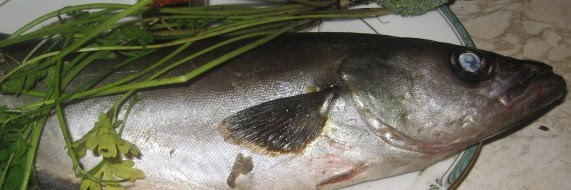
Pollock is a great fish. Its very versitile, abundant and cheap at fish shops, or in my case, free off the rocks.
Whiting, Pouting and Coley can also be used for this recipe.
When we get a recipe we stick to it as if it were some sacred text rather than experiment or adjust for the seasons.
You can eat what you want all year round - and that is sometimes a great thing, but we need to draw the line somewhere.
When I go to the supermarket in Ireland there is Garlic from China! In Holland there were Onions from New Zealand !!!!!
What has happened to Irish and EU prduction for such basic staples. One of the primary reasons I set up the kitchen garden was to reduce food miles, not because I am super Green, but just as a damn point of principle, I think it is insane to buy something as simple as garlic from China.
Good examples of sustainale fish are Pollock, Whiting, Pouting and Coley that can also be used in place of Cod in most recipes, and a lot of restraunts label these fish, haddock and ling as cod.
At this time, we are wiping out stocks of cod.
Our ability with electronics, engine size, winch strength and net size means we have far outstripped natures ability to replace what we take.
When I look at what is happening in fishing, I do worry - I like fish as food, and like having them around.
And the plastic pollution from fisheries is utterly out of control. The first Nylon net that went into the oceans in the 40's is still there, it breaks up but des not degrade so we are turning the seas into a toxic plastic soup.
Nearly 75% of the world's fisheries are either overfished or fully fished.
As I have said before, I am not a religious person, but there are passages in several religious texts.
A lot of free market, christian right wing capitalist groups are also self declared 'people of faith'.
I think they would do well to remember that according to Genisis that we have dominion over the seas and the fish, but having dominion is not a licence to destroy all and sundry.
With what some claim as a god given right, as with all rights, comes responsibility.
One of those responsibilities must surely be to harvest the oceans in a sustainable way.
Governments can do it, especially here in the EU by limiting engine size, net size, incorporating square mesh panels in the cod end of nets, having strictly enforced zones that are not exploited, stopping bottom trawling, bio degradable plastics, pot escape panels and other simple measures in co-operation with the fishing industry.
But we can change ourselves, by selecting sustainable fish types. There is no pont in demanding that fisheries policy changes if we do not start to change our own attitudes.
We can eat mackerel instead of blue fin tuna, pollack or whiting instead of cod
BIM do an excellent job, out here they just completed a free course for leaving cert students for entry into fisheries, but I would really like them to produce something of this nature.
The good news on the cod front is that here in South Connemara they are beginning to farm them, sustainable cod, good thinking.
Anyway, on with the food Paprika Pollock Almondine
2 lb. Pollock, filleted
1/4 c. all purpose flour
1 tsp. seasoned salt
1 tsp. paprika
1/4 c. butter
1/2 c. sliced almonds
2 tbsp. lemon juice
5 drops Tobasco
1 tbsp. chopped parsley
1 tbsp. chopped fennel leaf
Cut fish into 6 portions. Combine flour, salt, and paprika.
Coat fish in mixture and place in single layer, skin side down, in well greased baking pan.
Tip I find the best way to flour coat anything is put the flour mix in a palstic bag with no holes, put in meat, fish, poultry or veg to be dusted and give it a quick shake
Drizzle 2 tablespoons of melted butter over the fish. Bake 10-15 minutes or until fish flakes easily.
Meanwhile, saute almonds in remaining butter until golden brown, add fennel.
Remove from heat. Add lemon juice, hot pepper sauce and parsley.
Pour over fish and serve at once.
Sephardic style spuds
After my disastrous attempt to pickle turnips to a sephardic recipe, I was determined to make a go of something with a sephardic theme.
This recipe for potatoes, if not strictly a sephardic one certainly has all the right elements, horseradish and lemon.
At Seder, or Passover, horseradish is chewed - this is to symbolize the bitterness and harshness of the slavery which the Jews endured in Egypt.
I like the idea of the Seder plate, where you have bitter herbs and sweets - it is used as a way of explaining to children that in life you have to take the bitter as well as the sweet.
Lemon is used during rituals in the Yom Kippur fast, often as a kind of posie to smell, apparently this helps while fasting.
Of the potatos I grew this year, my pride and joy are the Mr. Little's Yetholm Gypsies, a rare old English variety that were very hard to get,
But thanks to JJ in Coventry I got them and they grew reasonably well - even if the yield was a little disappointing, but I put that down to the dry early part of the summer.
They are a waxy potato that are a riot of colour, the skins being 3 tone.
It was developed in the Border Village of Yetholm, which is the Gypsy capital of the borders, by the Little Brothers.
It is unusual because it is the only potato to show red white and blue skin. It is best boiled, steamed or baked with the skin on ,the colour remains , and the flavour is quite delicious.
Ingredients
1/4 cup butter
1/2 teaspoon salt
1/4 teaspoon pepper
2 tablespoons chopped fresh horseradish
2 tablespoons fresh lemon juice
1 1/2 pounds small new potatoes, unpeeled
I always throw in a pinch of Rosemary and Caraway seeds
Directions
Preheat oven to 175 degrees C.
Melt butter in a casserole dish in the oven.
Stir in salt, pepper, horseradish and lemon juice.
Place potatoes in dish and toss to coat with butter mixture.
Cover and bake in preheated oven for 1 hour, or until potatoes are tender.
I was going to have it with broccoli and hollandaise sauce, but ran out of lemons (hazard of our climate) so I served it with a really nice French style warm goats cheese salad
MEAL TIMELINE
Make sure the oven is set up to take the potato's in the centre, and fish on top.
00:00 Put dish and butter into pre-heated oven, prepare lemon and horseradish
00:05 Remove dish from oven, put in potato's, lemon juice, horseradish, salt and pepper - stir and coat
00:07 Return dish to oven
00:10 Prepare fish
00:20 Prepare fish coating, melt some butter, have a glass of wine for yourself, relax
00:35 Coat fish in flour in a plastic bag - place fillets on baking tray
00:40 Put fish in oven top shelf
00:45 Saute almonds and fennel - prepare lemon juice, Tabasco and parsley
00:50 Remove almonds from heat, pour lemon, Tabasco and parsley mix over almonds
00:55 Plate up fish and potatos - pour Almondine sauce over fish fillet
00:60 Serve and enjoy
This way of doing spuds is also great with beef.
Steak on a bed of caramelised onion with Sephardic spuds (Kerr Pinks)